
Why Wine
More so, why natural wine

If you are able, kindly support my work by upgrading to a paid subscription right over here for $7 per month - wild how that’s less than a glass of happy hour wine these days!
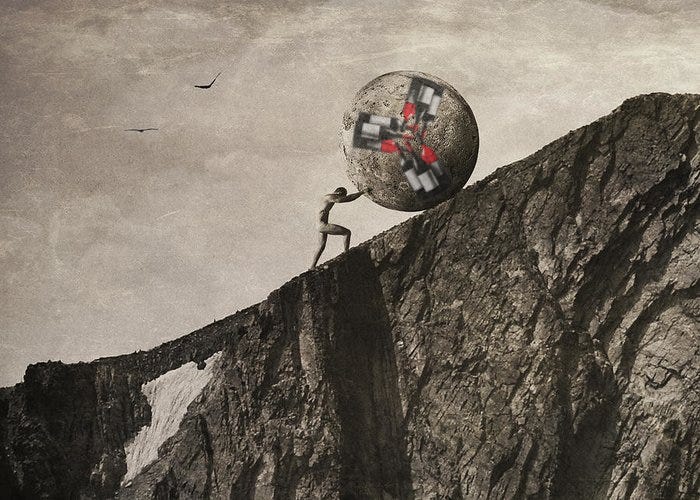
I’ve had a few of those weeks where things feel unreasonably hard. There are ideas, but the execution feels like Sisyphus and the rock. Maybe it’s Mother Nature’s seasonal temper tantrum – is it warm, is it cold, can I leave my windows open, where can my dogs run that won’t require a bath afterword.
It could also just be the world. Put a pin in that.
When I still worked in corporate la-la land, things had to get done, motivated or not. The line of draining yourself for commercialism over quality can be very jagged, particularly when you aren’t the one calling the shots. Those cuts sting!
When I transitioned from working for others into working for myself, it had to be asked. Do I want to stay in wine? Do I even care?
Spoiler, yes.
If you’re new here - I built and ran one of the first natural-wine centric retail programs in Pennsylvania. It was scaled to four locations, it was profitable (wild in a private state) and well-regarded for what it was.
The family-owned company I originally worked for sold their brand to a large grocery company. Individual stores under the large company are operated by groups of families, referred to as cooperative members, or families. The co-op that my job was transferred under had (have) very different feelings about what wines a specialty store should sell than I did. Now we’re here.
Pennsylvania’s state-run liquor stores don’t sell much natural wine. State-controlled purchasing necessitates demand + the quantity to fill said demand. Natural wine is generally more limited by nature (literally) and the producers have less brand clout/marketing prowess than a French chicken or Australian kangaroo. Yes, it’s still makers creating a product that they need to sell, but…it’s just emotionally different. Fast fashion vs. slow food, if you will.
Wine as an economic snapshot
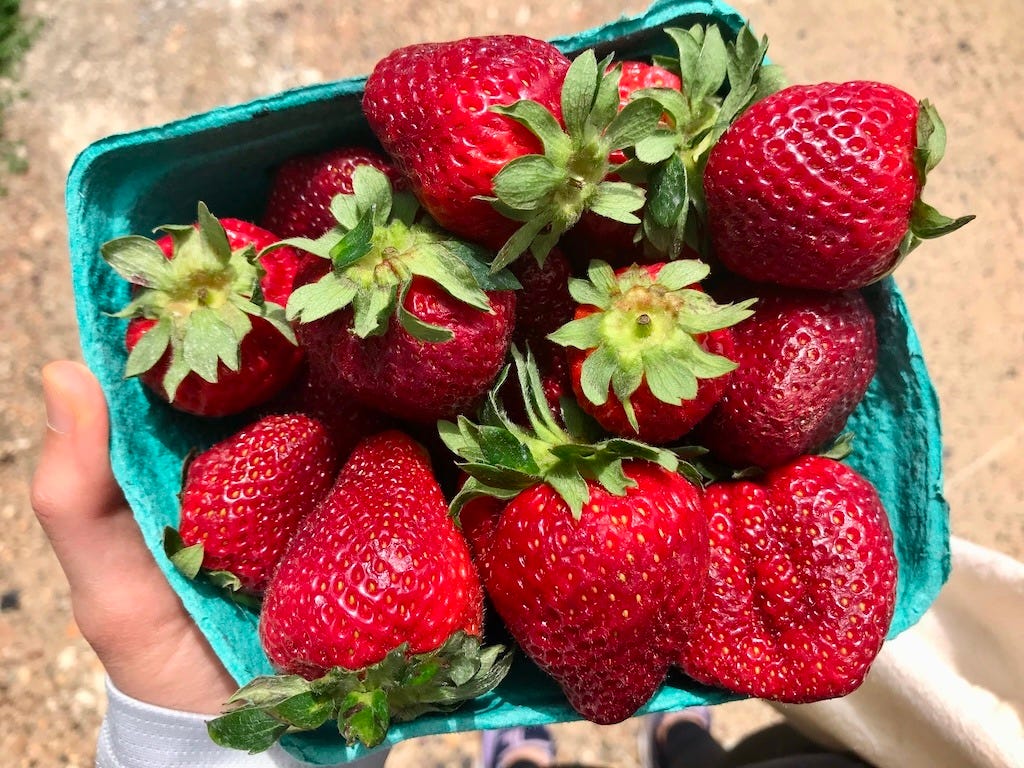
Do you buy strawberries because they’re Driscoll, or because you love strawberries? Neither answer is wrong, you can even say both if you want. Maybe you only buy them in season, which is also fine! There isn’t a perfect answer nor is there judgement. Just buy the damn strawberries if you want to.
Gigantic companies – food and beyond - often boast their brand standards, morals and the “why” of their decision making. Some may be genuine; undoubtedly, much of it is a marketing practice. Do you think the same person that wrote the mission is the same person producing the product? Occasionally yes, but mostly no.
Does scaling up make a company bad? No; there are simply assumptions that come with. The greater the demand, the more hands become necessary to keep things running, and the more diluted the original becomes. This is both behind the scenes and in the eye of the consumer – more things and more stores require more people to make and run them, all of which requires training and mentorship if you want it done in a particular way. Not everyone cares about that, unfortunately, which is often how scaling goes sideways.
If profits dip, jobs tend to be the first things that shrink. The training for those picking up the slack is too often, unfortunately, “just figure it out.” Sometimes that works, other times it doesn’t.
Remember the game of telephone where the message changes as it gets whispered down the lane? In a nutshell, this is that.
Natural wine - respectfully – just feels different.
Farming practices and what’s added/removed (or not) aside, producing natural wine often starts with a winemaker making a choice to work with the materials that nature has provided. Hard stop.
Yes, it’s more complex, but the point is not leading with “I’m doing this to make money,” or for the clout. Wine can be mechanized, like most things, more so than it ever has been before in history. Choosing to not do it in that way is a risk. Some who make wine may even say, it’s an incredibly stupid financial decision, a terrifying gamble.
I love these people because they keep doing it anyway.
Sometimes it takes a few people, or a whole team. The fruit is going to be “better” some years than others. That’s nature. There are schools that teach winemaking, but you can’t go to a school and then walk into a winery during the next harvest and just…make wine. There’s an intersection of book smarts and hands-on experience that respectfully intermingles for a bigger purpose.
There has been so much development in wine to speed things up and yield more product. Natural wine is a product of time and a watchful eye; conventional wine can have things added to it to get it ready “faster” or taste a certain way. Like the strawberries, it’s not about what’s right or wrong. It’s just choice.
With respect those reading this who are less aware of the behind-the-scenes stuff
If you’re wondering why anyone would want a commercial wine product to be made more quickly, let’s step back for a second. Sticking purposefully with the word assumption as I say this… because money starts coming back after a product hits the market. ROI, baby!
There are winemakers who refuse to rush things, and there are winemakers who surely wish they could, but don’t. Big companies that need to fulfill orders as their priority ($$$$$) need to operate differently. And so, it goes.
Bottling this up
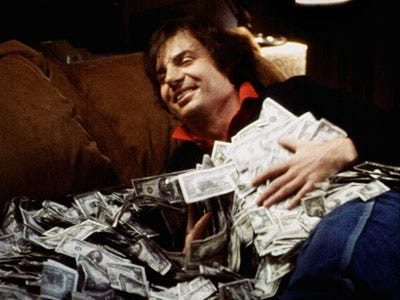
Wine has storytelling and interpretation. Good and bad. Clean and dirty. I find the bigger production stuff to be dirtier, in just so many ways. There’s simply a lot of production for profits, not creation for the love of wine. Those who benefit too often are the people hidden in ivory towers or maybe doing the Mike Meyers-as-Steve Rubell rolling in money moment.
I love wine for the hospitality and the experience, like simmering a great soup. The great stuff can’t – won’t – be rushed. There’s regiment, but also interpretation. It’s a world where experience and having the twinkle of an idea can meet and collaborate. Also, it tastes good and is so joyful to share with others.
Sometimes, we can actually just let it be that simple.